Screen Cleaning

Choose screen cleaning tools for your windows and doors

Match your cleaning method to the screen material, condition, and amount of dirt. Compare hand brushes and wipes for smaller jobs with screen washers for batches of removable screens, then check water access, working space, and product compatibility.

Buying guide: screen brushes, washers, and cleaners

Should I use a screen brush or a screen washer?

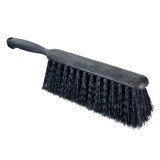
Consider the number of screens, their condition, and where you can work. The abc Screen Brush with Black Polypropylene Bristles is listed for screens, ledges, and dry dusting. A dedicated washer may suit a job with many removable screens and enough setup space. Neither method is automatically suitable for fragile mesh or damaged frames; check the screen manufacturer's care instructions first.

Which screen washers should I compare?

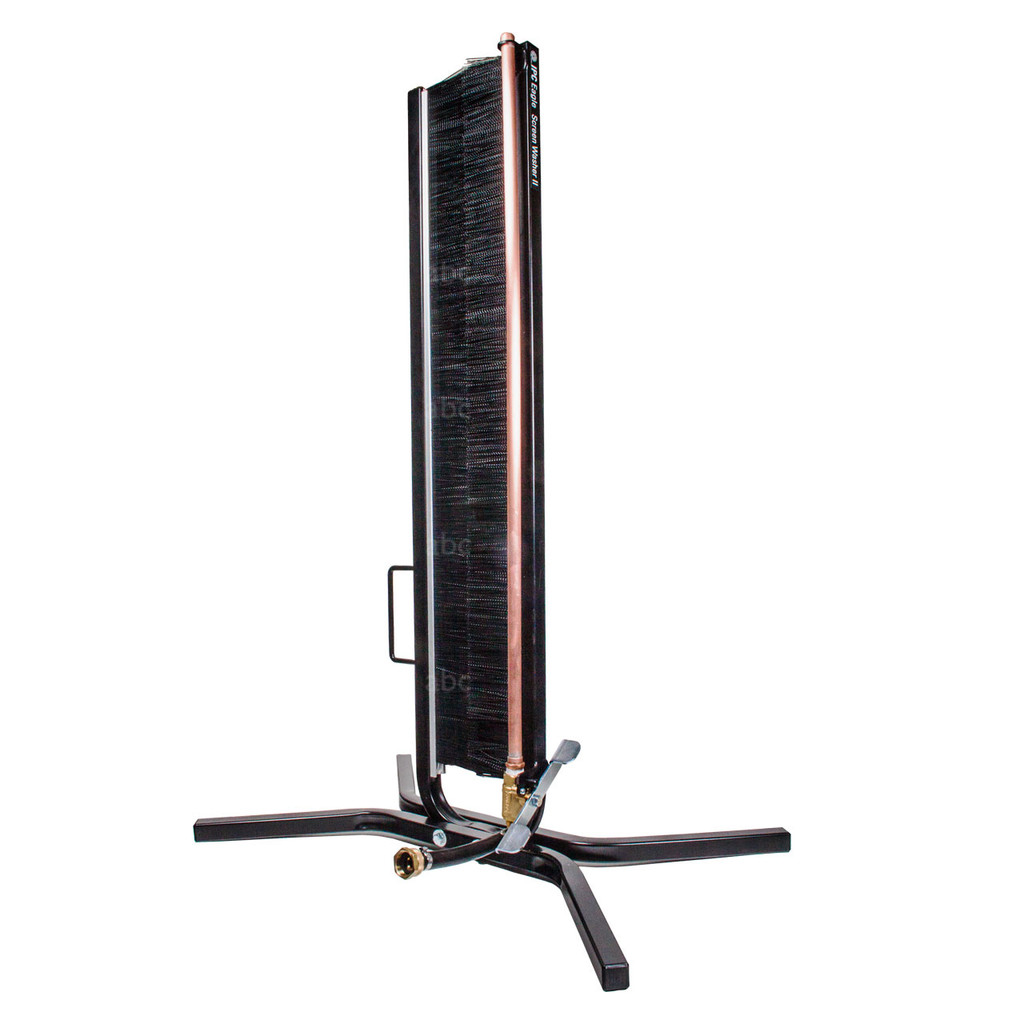
Compare the Aztec Innovation Screen Washer and the IPC Eagle Screen Washer. The Aztec listing describes a folding stand, four removable brushes, and a 43 x 43-inch footprint at 39 inches tall. The IPC listing describes a compact, portable unit with tool-free assembly. Compare screen-size limits, setup space, transport dimensions, and maintenance needs rather than choosing by price alone.

What should I check about water connections and screen size?

Before ordering a washer, confirm its required water supply, hose connection, operating requirements, and included fittings. Do not assume every model uses the same connection or that a hose is supplied. Measure your largest screen, including the frame, and confirm it will pass through the washer as intended. The Aztec listing describes capacity for a standard patio door screen, but that is not a precise maximum dimension. Ask abc about oversized or unusually shaped screens before buying.

Can I clean a screen without removing it?

For suitable screens and accessible surfaces, compare Ettore Screen Cleaner Towelettes. The listing describes moist wipes for screens and tracks without screen removal, supplied as 25 per pack. It specifically says not to use them on glass. Check the screen's care instructions and whether this method suits the amount of soil; do not force a wipe across loose or damaged mesh.

When should I use a dedicated screen cleaner?

If the job calls for a cleaning product, compare Winsol Screen Cleaner & Sealer. It is listed for vinyl, fiberglass, and aluminum window and door screens. Check the current label for dilution, application, and finishing directions, and confirm compatibility with the frame and nearby finishes. Review the safety data sheet and use the specified protective equipment. Do not assume a screen cleaner should also be applied to the window glass.

What should I check before washing removable screens?

Inspect the mesh, frame, corners, and retaining parts before removal. Note existing damage and keep track of which opening each screen belongs to. Follow the manufacturer's removal instructions and support the frame without stretching the mesh. Set up on stable ground with space for handling and drainage. Choose a method that cleans without bending the frame or dislodging the screen material; more pressure is not automatically better.

How should I finish the job and care for the equipment?

Follow the cleaner's finishing directions and allow screens to dry as appropriate before reinstalling them. Check that each screen is seated and secured correctly. Clean collected dirt from brushes and washer components according to their instructions, and inspect hoses and fittings before the next job. Use separate towels or sponges for dirty frames and finished glass. For the windows themselves, choose a suitable washer and sleeve and squeegee.

Need help choosing screen cleaning equipment? Call abc at 1-800-989-4003 with your screen sizes, material, and available water supply.